

Translated with the help of AI. We apologize for any errors and would appreciate your help in correcting them.
It's been a while since there were any articles on psychology, and I decided that it's time to break down an interesting psychological aspect that will bring new knowledge into your life and help improve your game. Today we will talk about emotional-volitional regulation. And to begin with, let us clarify what it is.
Emotional-volitional regulation is the process of regulating one's emotions and volitional efforts, which is based on the management of the emotional-volitional sphere of a person.
In its turn, the emotional-volitional sphere is a psychological phenomenon that includes our emotions and the will to manage these emotions.
Emotions have already been told about repeatedly on the website: 6 negative emotions affecting our life, 4 steps of overcoming destructive emotions.
In short, the will is a conscious striving to achieve something. The will includes the predominance of efforts over something, that is, a person sets a goal and achieves it with the help of a volitional effort. For example, a player sets a goal to play mindfully - and makes every effort so that during the game every step is made without emotional outbursts, controlling and realizing what he is doing and why. But how to achieve this? Only by developing one's emotional-volitional regulation.
1. Stages of development of emotional-volitional regulation
Development of goal-setting and the ability to realize one's emotions.
The stage at which a conscious and free choice of a goal occurs without limiting oneself, and based on one's clear wishes. At this stage, primary motivation is formed, which is reinforced by positive emotions. For example: I want to overcome my tilt states, as I understand that I am going into strong emotional anger and negativity, and because of this I feel insecure in what I am doing. And I want to feel calm and confident.
Mastering planning for the realization of a volitional action. Training the ability to control one's emotions.
The execution of volitional actions depends on speech planning and regulation. Here it is important to reinforce verbally what a person intends to do to achieve their goal. A discussion with oneself and (or) with competent people (coach, psychologist) of possible ways to solve when struggling with motives occurs. Here a clash with reality occurs and, most likely, with a not entirely successful first way of achieving the goal.
A person is faced with the fact that their desire is completely justified, and they clearly want to achieve it, but not everything is so simple. This in itself can also cause negative emotions. But at this stage, a person learns to regulate (contain) their emotions, to experience them relying on themselves and others. At this stage, it is important to regularly remind oneself of why certain actions are being performed, to urge oneself to achieve the set goal to the end.
Practice
If we consider the process of fighting tilt states, then here the player takes the first actions to overcome them, actively restrains himself. Often at the same time it happens that everything seems to work out, but at the end of the session (or some period of time) emotions overwhelm him again like a wave. A breakdown occurs, and the person, as it were, devalues all the efforts made to regulate and control himself.
If this stage is not passed, a person rolls back. For the development of emotional-volitional regulation, it is important to continue attempts, to learn to track what happened, what influenced your state, why you failed to restrain yourself. It is also necessary to ask yourself the question: “What else can I do in order to overcome the negative state?” Development of control actions in the exercise of one's emotions and actions. This is the last, third stage.
After the successful completion and consolidation of the second stage, two lines of behavior in regulation stand out:
- mastery of self-checking methods;
- development of the need to check and correct one's work.
At this stage, a person has full contact with their emotions, they know how to experience and live through them, and a volitional effort is formed in them rather automatically. In theory, everything looks simple and clear, but we are all human, and in practice, the formation of regulation is a process that depends on your personal characteristics, which can both help and, conversely, hinder its formation.
2. Difficulties in the formation of emotional-volitional regulation
Doubts and a low level of confidence in one's abilities - a situation when a player constantly needs external reinforcement of their activity. “Only a successful result will show that I can” is a flawed judgment that helps to partially relieve oneself of responsibility for what is happening. This difficulty is like a trap, because the external world does not always approve of our “correct” behavior.
- Setting goals that are not reinforced by your desire, but rely on some approved behavior.
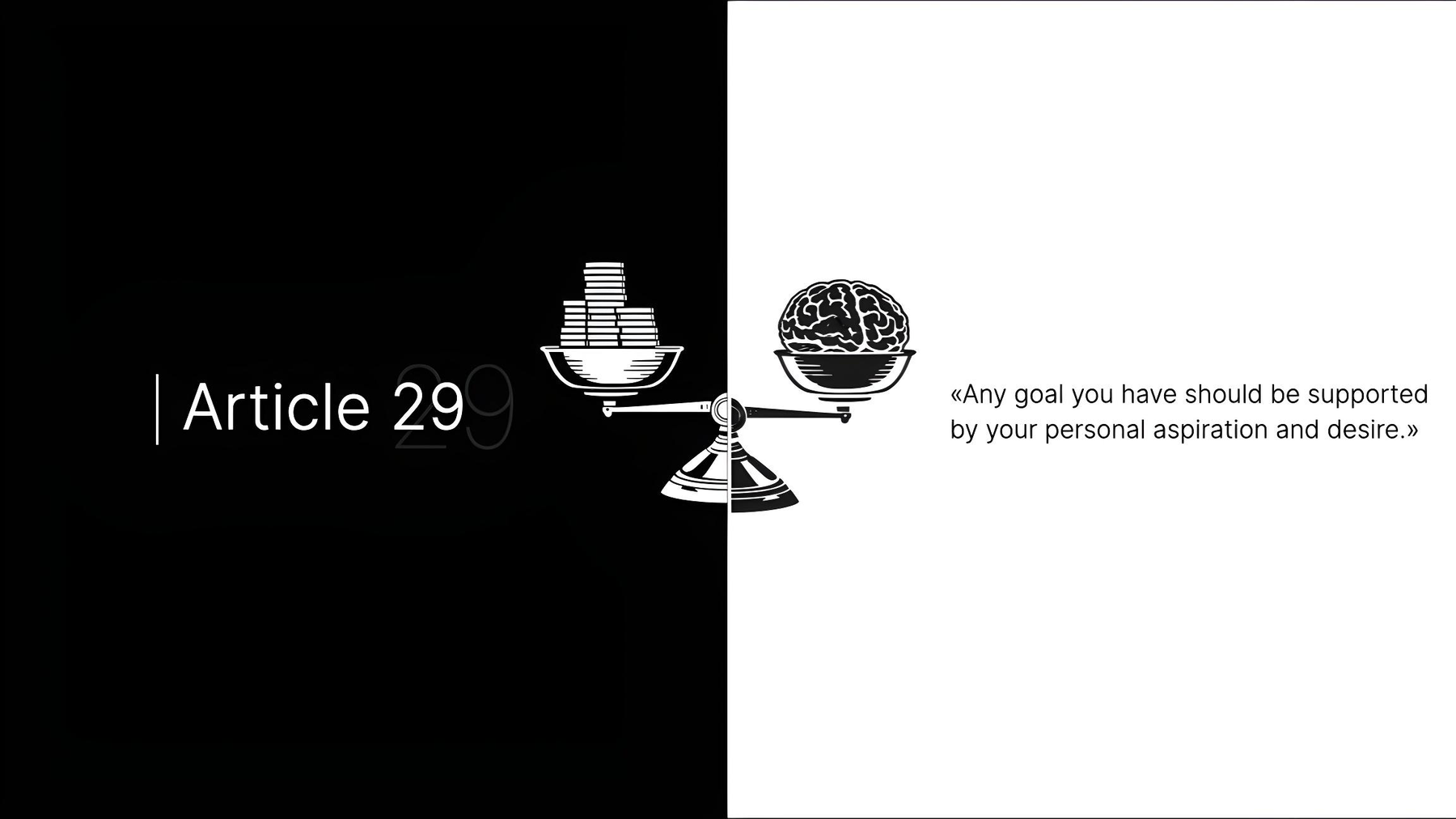
Many players want to play mindfully, but they have no understanding of why they personally need to do it. This is where various problems arise. Remember: any goal of yours must be reinforced by your personal striving and desire, and if you have a problem with this, you need to work on it! This is the basis of your psychological comfort. - Inability to realize and understand one's emotions, lack of a connection between behavior and emotions.
With many players during consultations, we break down their behavior when there is no connection with emotions, that is, some people do not even realize that they go to "ludomanit" (gamble away) and play completely mindfully, because before that something unpleasant happened in their life that they want to repress. - Weak development of the will or, conversely, pressure on oneself (“I must, and there is no other way”).
In the first case, the person's position is infantile (“I decide nothing”, “what can I do?”), and in the second – too tense and pressuring, which leads to burnout.
3. What is needed for regulation
Firstly, it is necessary to understand that emotional-volitional regulation is a coordinated interaction of emotional and volitional processes in a situation of overcoming difficulties and obstacles, forming in activity, in social interaction, and being realized in them. For successful regulation, a balance of emotional and volitional components of the system is necessary. A situation of violation of balance leads to the need to suppress emotional states with a volitional effort, when the volitional process begins to act as an opponent in relation to the emotional one, or to uncontrolled, destructive for the personality behavior under the influence of emotions.
And for a clearer functioning of emotional-volitional regulation, it is necessary to understand how your self-regulation system works, I recommend reading the article on the website: Self-regulation is one of the psychological factors of success in poker.
The result of the development of your regulation system can be a complete restructuring of activity at its optimal level with an understanding and consideration of your personal needs, desires, individual characteristics, values, as well as the orientation of the personality of a specific person. That is, you clearly realize your individual characteristics: not only emotions, but also how you should plan and carry out your activity. It can be said that such a restructuring will make you a different person, of a higher order, standing, as it were, "above" emotional-volitional regulation, which will give colossal success in those areas where you want to achieve success. And if you want to achieve this faster, sign up for a consultation.