
Translated with the help of AI. We apologize for any errors and would appreciate your help in correcting them.
Translated by order of the educational portal university.poker
Article author: PokerStars Learn, original source: PokerStars Learn
In this article, we have collected various tips that will be useful to players who are going to take part in their first offline poker tournament.
1. Necessary preparation for the trip
If you are travelling to another country, make sure you have travel insurance, all necessary vaccinations and notify your bank of the trip so that you can continue to use your pot cards. Talk to the event organizers to find out the structure of the tournament (starting chips, blind levels, breaks, etc.).
With this information, you can start planning your days in advance and think about things like:
- What to bring for a snack?
- What time do you need to go to bed/wake up to be awake all day?
- How many breaks will you have for a light lunch? Explore the venue to see what meals they can offer you.
Think about the healthy products you want to take with you:
- Almonds – these nuts are rich in healthy fats, proteins and contain brain-boosting nutrients such as vitamin E.
- Blueberries – These delicious berries are rich in antioxidants and are thought to improve memory and cognitive function.
- Avocado: Avocado is rich in healthy fats and antioxidants, making it an excellent choice for maintaining energy and concentration.
- Dark chocolate: A small amount of dark chocolate can provide a boost of energy and antioxidants that stimulate the brain.
- Greek yogurt: A Greek yogurt filled with protein and probiotics helps you feel full and concentrated.
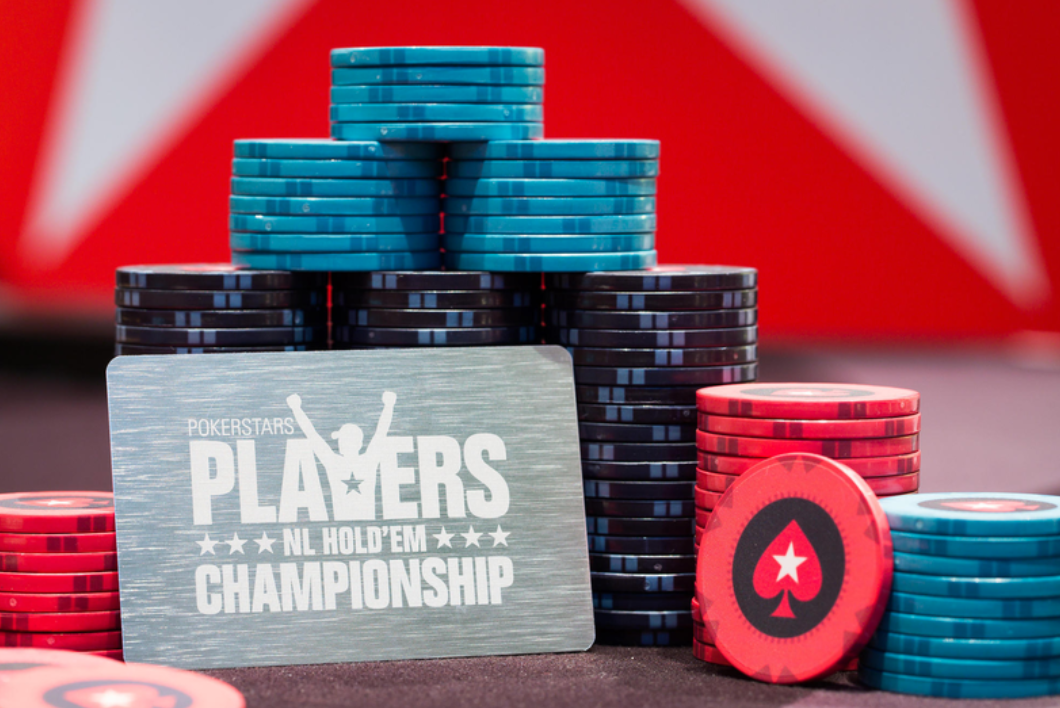
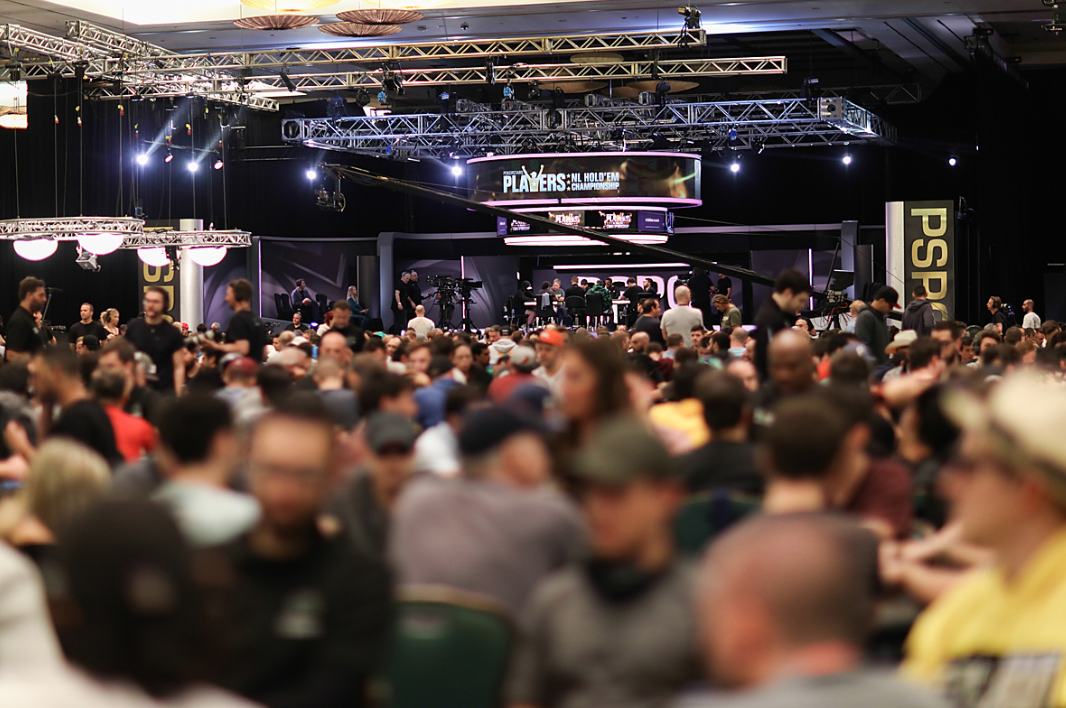
Prepare a small bag/backpack where you can store snacks and items such as extra clothes in case of cold, powerbank, headphones, chewing gum, sunglasses and hand sanitizer. This will make you feel comfortable at the table every day. If you have won a seat in a major tournament such as an EPT or PSPC (PokerStars Players NL Hold'em Championship) with a large buy-in, consider selling or exchanging a portion of your buy-in with acquaintances, friends, or other players before the trip. This way, you guarantee a return and may feel less pressure to participate in the tournament.
Make sure you have all the travel documents for flights, transfers and hotels. If you plan to go to the event alone, try to find other newcomers on the Internet who will also take part in the event for the first time. Exchange numbers and arrange a meeting at the tournament or talk to the event organizers. They usually provide a lot of entertainment and fun performances for players, so you won't be left alone. Tune in to the right mindset. It's good to be confident, but keep in mind that winning a live poker tournament is extremely difficult. There may be times when you are a chip leader and then drop to the lowest stack. You need to be prepared for such fluctuations. Plan in advance what you will do in case of departure, as there are usually many available events (or other tournaments) in which you can take part.
2. Preparation for the tournament
- Sleep as much as possible to stay alert and focused, plan to get up early so as not to rush to the beginning of the tournament.
- Pack a bag/backpack for the tournament table and be ready to go.
- Do some exercise. It can be a little workout in the gym, yoga or jogging/walking on the beach, in short, something light to disperse the blood. Remember that you will be sitting for most of the day at the tournament.
- Take a refreshing shower to cheer up and feel refreshed and ready for the new day.
- Eat a light, healthy breakfast. The high-energy snacks you brought with you will support you until lunchtime. You should avoid eating fatty foods that make you feel sluggish at the table.
- Try to devote a few minutes to meditation. There are many apps and videos available on YouTube for this purpose.
- Watch live poker to cheer yourself up and mentally prepare for the upcoming tournament.
- If possible, look at the seating arrangement of your table (who sits at your table). You can use the Hendon Mob online service to check any player profiles, including their real-time results.
3. Time before the game
If it's convenient for you, talk to other players and introduce yourself. Do not mention that you have never played live poker before or that you have qualified as professional players can use this to their advantage. However, it is also quite normal to sit quietly there, hiding behind headphones and sunglasses. In the end, try to do what is most convenient for you.
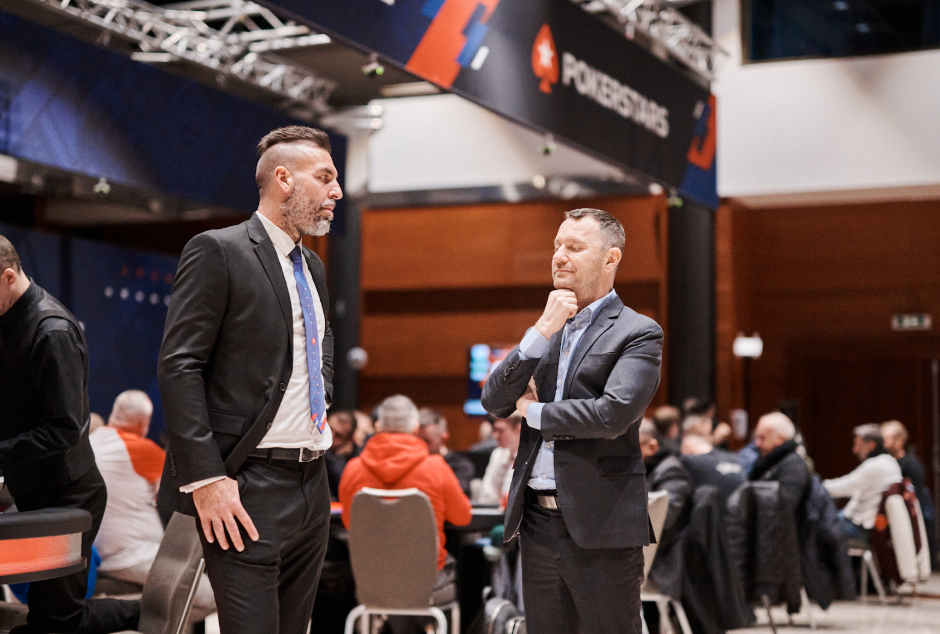
Dealers can also help answer any questions you may have. Also in the hall you will see moving special tournament assistants (floras), to whom you can ask questions more confidentially if necessary. In addition, many employees of the poker room of the organizer of this tournament (Pokerstars, GG, etc.) are always ready to help you, including bloggers, teams for organizing live tournaments, teams on social networks and even a team of professional players with special team pro patches, etc.
If you are nervous at the beginning of the tournament, just fold in the first few rounds and see how the table plays, how the actions at the table take place. You can even play relaxing music to calm your nerves. Use this time to study your opponents, see who is ready to play and who is more cautious. Remember that you can leave the table at any time, the dealer will discard your cards and take the required amount of your chips as blinds and ante. Get some fresh air and come back when you feel ready. In the first few levels, the blinds and pots are very small compared to the stack sizes. So you will have time to come to your senses.
4. Outstanding tells in an offline tournament
Most players can't tell if you're bluffing or if you have a good hand. However, there are several ways to avoid issuing tells (hints). Ignore the players who ask you questions while you are in the hand. It may sound rude, but that's the way it is in poker. They usually look for clues about how strong your hand is. You can simply ignore any questions while you are in the hand or answer after the hand. Usually I try not to talk during the hand, this is just one of my rules. This will show your opponent that you think about the game, that you have a strategy, and that he will not be allowed to spoil this strategy. During the hand, focus on one point at the table, ideally the same point each time.
For example, it could be a board or some point right in front of you. Try not to alternate them, keep the sequence.
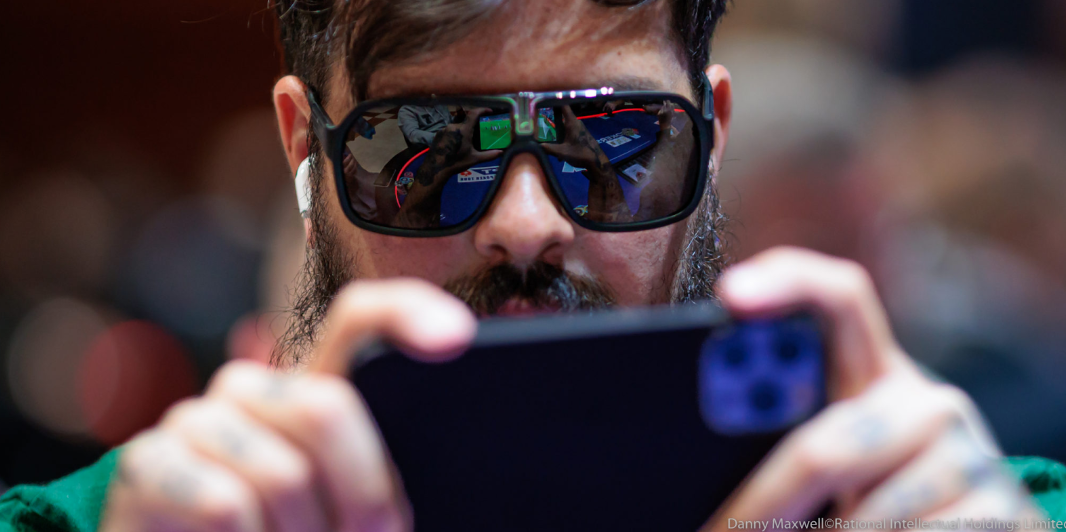
Find a relaxing pose by placing your arms and legs in one place and always holding them there. In addition, I noticed that many players completely shut their mouths, because if they are nervous, it makes it very difficult for them to breathe. This becomes especially noticeable if the opponent specifically looks there and tries to read information. Try to keep your mouth slightly ajar so you can breathe through your mouth or nose. You can even use this time to relax and perform breathing exercises: inhaling through the nose, exhaling through the mouth. Some players also wear sunglasses as additional protection against eye cues. This creates another barrier between you and your opponent.
5. Observation of Tells
You should constantly observe your opponents, even when you are not in the hand, collecting information on how often they play, bet what size they make, how often they bluff, etc. Whether they open with weak or strong hands, whether they often folds in response to big bet, and of course, you can also watch the tells.
However, be careful: some experienced players may use confusing tells:
- If the player leans forward to the table, this may mean that he is delighted with his hand. If a player leans back, this may mean that he is dissatisfied with his hand.
- Nervous, shaky legs. If the player's legs move up and down, this may mean that he is nervous or agitated. So, whether it's a bluff or a strong hand, if you notice that the player's legs move every time they have a good hand, that's a great clue.
- If a player asks for advice before it's their turn to act, it may be a sign of a strong hand or they may simply be trying to trick you into pretending they're going to play big and confuse you so you don't get into the game.
- Calling the mouth, face or scratching the nose are often signs of bluff
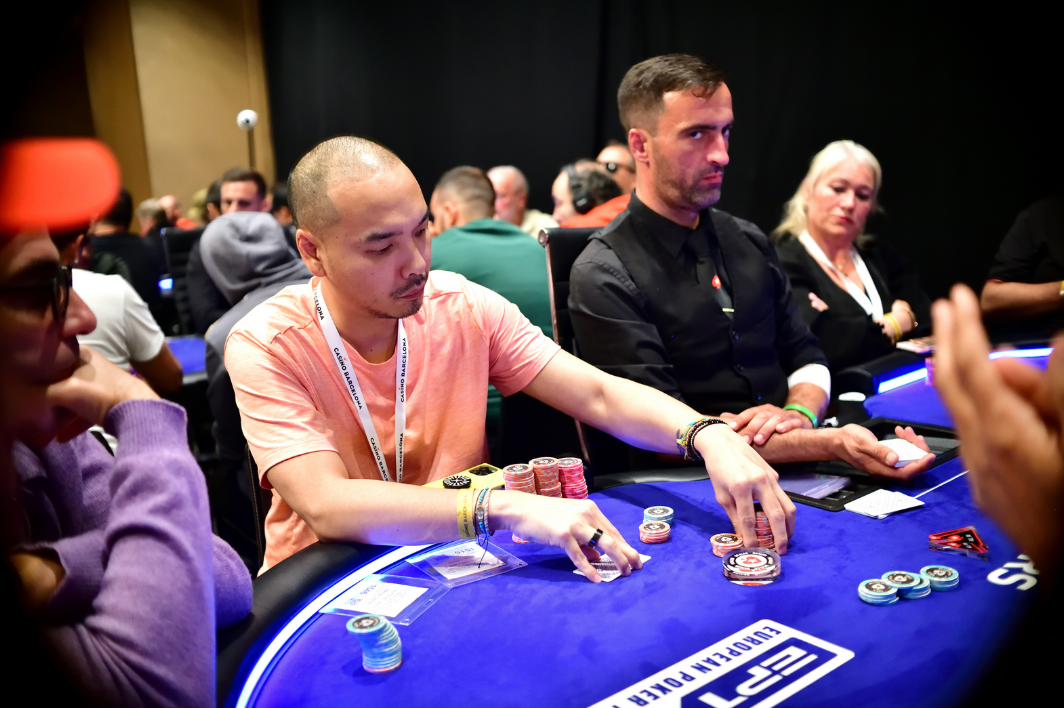
- The player avoids eye contact or has an indifferent appearance may be a sign of a strong hand. But the opposite is true for weak hands.
Tells are only useful if you have noticed them several times, and the same tells for different players can mean the opposite. Be sure to pay attention to your opponent's reaction to everything, for example, how he reacts to your bet, how he reacts to flop, turn and river. Take as many mental notes as possible.
6. Bad bits and Tilt
You should try to stick to your game plan regardless of whether you win or lose during the game. Some players switch to the “good Tilt” mode, where they start playing badly because they continue to win. Others lose a big pot and then play so badly that they lose the rest of their stack.
It all comes down to controlling your emotions, whether they're good or bad.
If you feel frustrated, angry, or don't play as you would like, try not to play a few laps. Listen to calm music or try breathing exercises. If this does not help, leave the table for five minutes and breathe fresh air. Now a little about bad-beat, that is, "moving". If your aces are run over by J9 suited, it's not really a bad beat, it's a variance, because you have to lose almost 20% of the time. Yes, it's a shame, but you always need to be prepared for the fact that having a strong hand does not mean that you will win. Once you internalize this mindset, you can continue to play your game regardless of whether you win or lose a hand.
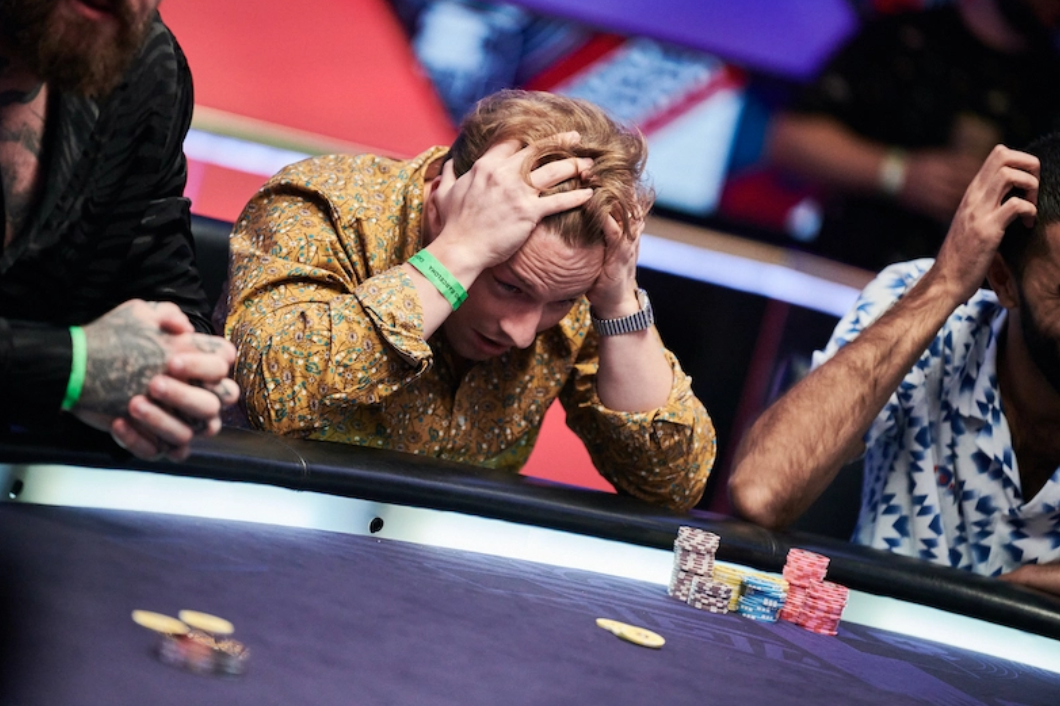
You may have just lost a big pot, but in the world of poker there is such a phrase “chip and chair”. You can always make a comeback with a very small stack, because overcoming difficult situations is the essence of poker.
7. bluff and image on the table
Everyone wants to bluff successfully and beautifully, but it is a subtle art. There are several types of bluff in poker.
Pure bluff
This is when you bluff with a weak hand in the hope that your villain will fold. It should only be used against opponents that you have often seen pass. Usually you don't want to risk your entire stack with such a bluff (although we often see players doing this on TV).
Semi-bluff
Semi-bluff is a little more forgivable as you still have a chance to improve your hand and win. You semi-bluff when you have some kind of draw hand, for example, you need another card for a flush, straight or full house. You place a bet in the hope that your villain will fold, but if he does, you will still have outs. A semi-bluff can be painful when you place a bet and an opponent makes a re-raise, forcing you to fold.
Bluff-catch
Technically, this is not a bluff on your part. Here you call with a weak hand, because you feel that your villain is bluff, and you want to catch him. Again, this is risky because your opponent may have a great hand forcing you to lose the pot.
In general, you should avoid too much bluff. However, if you really have a Tight image at the table (that is, you did not play a lot of hands, but at the same time every time you reached the autopsy, you had a strong hand), then you are more likely to squeeze out an opponent. The same is true for your opponents. If you notice that the player is constantly going to the autopsy with a bluff, you are more likely to call with weaker hands as a bluff ketch.
8. What to do after the tournament
If you are still in the game at the end of the first day of the tournament, congratulations on your successful transition to the next day! However, now is the time to rest. You can stay up late after the victory or departure, leave sleepless nights for these cases. Do something relaxing. Go for a walk and try not to think too much about the time spent in the game. However, if you have a hand stuck in your head that bothers you, talk about it with other players. If you are eliminated from the tournament, do not be upset: it is difficult to win or even earn money in a live poker tournament. Even the best players in the world, it happens, fly out very early. The fact that you played in such a tournament means that you are no longer a beginner. You can collect everything you've learned, and now you have some free time to relax and do whatever you like. You'll find plenty of events hosted by a team of live tournaments, or you can stay and watch the rest of the tournament.

9. General Tips & Resumes
- Avoid big pots with weak hands at the beginning of the tournament.
- Avoid wasting the stack in the initial stage, try to play small pots.
- Avoid losing big pots in multipots: the more opponents in the pot, the less likely you are to win in such a spot.
- Observe as much as possible your opponents, stack sizes, play styles, betting patterns and bet image at the table. Consider this information when making future decisions.
- Adjust your style to your opponents, for example, narrow the range of your discoveries against strong opponents. Try to bluff more against secret players.
- Do not be afraid of professionals or aggressive players. Remember, it used to happen that inexperienced players won tournaments. Everyone starts with the same number of chips and card potential.
- Above all, have fun, soak up the atmosphere and learn from the experience. This is a story you will tell for years to come.